TL;DR: Approve furniture drawings for a Mumbai commission only when the current revision, dimensions, materials, hardware and unresolved questions are clearly identified in the same sign-off record.
Key takeaways
- FCI India's published process places detailed drawings and approval before manufacturing.
- A visualisation and a dimensioned drawing answer different approval questions.
- Link the approved drawing revision to the agreed material samples and specification.
- Record late changes explicitly rather than relying on a newer image in a message thread.
- Use the approval record again at the pre-delivery review.
What should furniture drawings establish?
Furniture drawings should establish what is to be made, rather than simply communicate the mood of the room. FCI India's bespoke process describes drawings with dimensions, construction details, material specifications and hardware selections, with three-dimensional visualisations for complex items.
Our recommendation is to review those categories separately. An attractive view may explain proportion and appearance without answering which way a door opens, where a support sits or how the piece meets an existing wall.
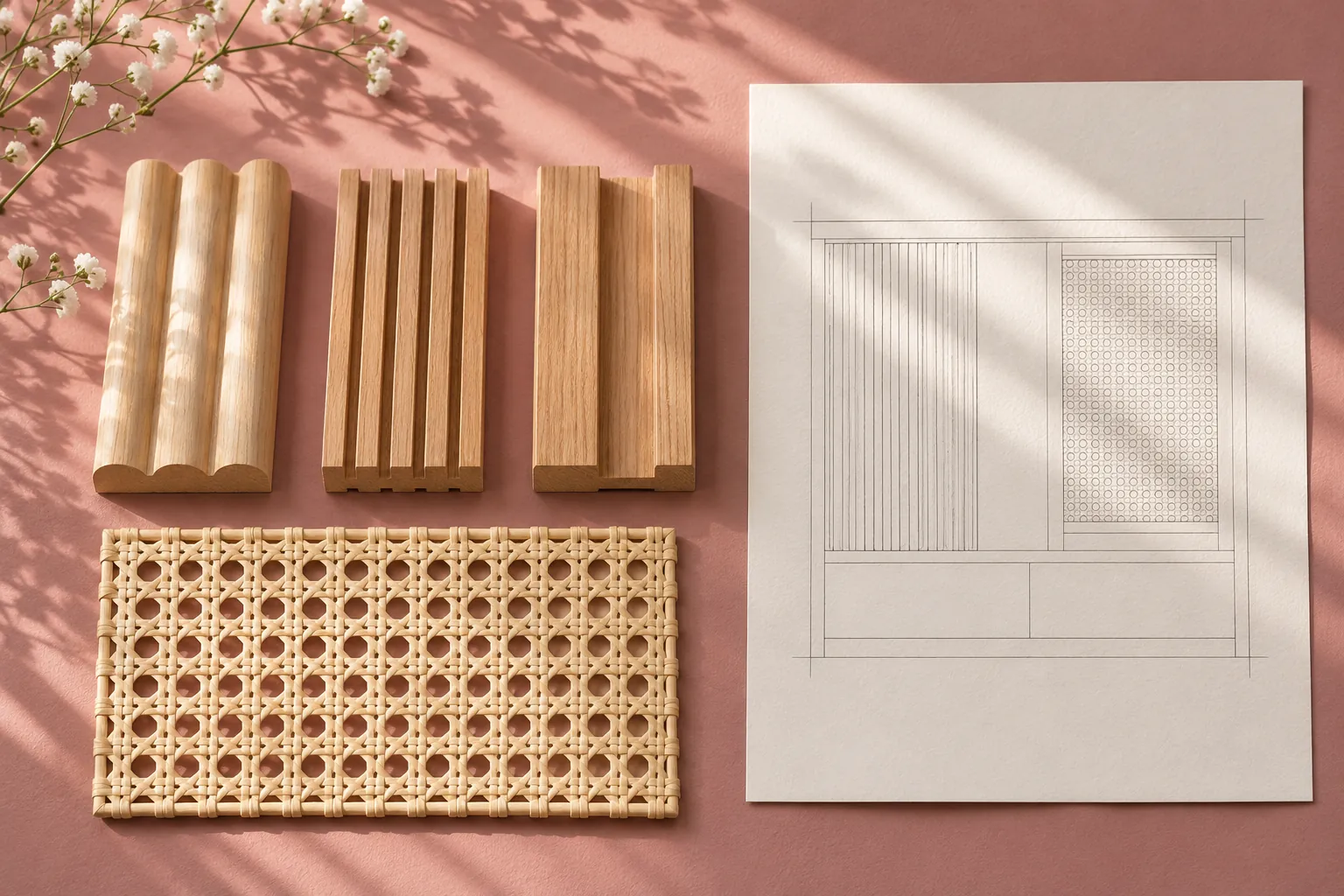
For a Mumbai apartment project, start with the furniture's relationship to the measured room. Ask which site dimensions have been checked and which remain assumptions. The drawing should not quietly turn an approximate client sketch into an approved site measurement.
Which revision are you signing?
Sign the identified drawing revision, not a general impression that the design is settled. We recommend recording the furniture item reference, drawing number, revision identifier and issue date together.
Keep the approval attached to that document. If there is a later change, ask for a newly identified revision or a clearly documented amendment before agreeing to it. A message saying “make it a little shallower” is not a particularly generous gift to the person building it.
FCI India's process says this is the stage for revisions and that the design is frozen after sign-off before production preparation. Our suggested revision record makes that transition easier to understand; it is not a claim that every project uses an identical form.
How do you review a complex piece without missing something?
Review a complex piece by tracing its appearance, use and installation as separate questions. For a bespoke screen or room divider, for example, our suggested review is:
- Appearance: Are both visible faces, edges and exposed supports shown?
- Use: Does the drawing show the intended passage and any moving components?
- Materials: Does each component have a clear material and finish reference?
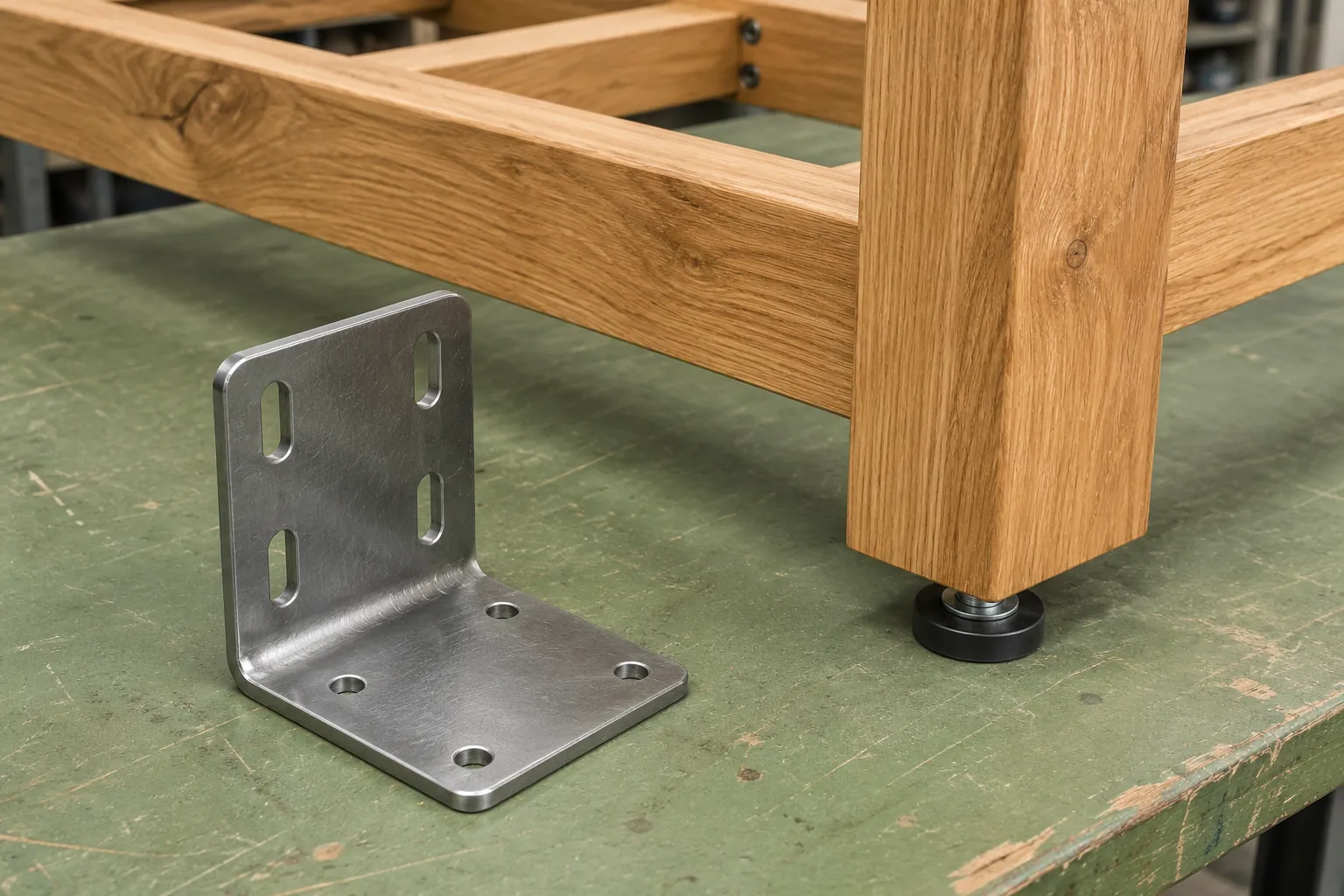
- Connections: Who confirms supports, fixings and any interfaces with the building?
- Access: How will the piece or its sections reach the room?

This is an approval method, not a substitute for technical design. The person responsible for construction and installation must resolve suitability and safety.
Our room divider planning guide discusses the room-use questions. The drawing review has a different job: checking that the agreed answers actually appear in the issue being approved.
Where do material samples fit?
Material samples belong alongside the drawing, with a clear reference to the component they represent. FCI India's materials library describes the available material categories, while its process includes physical sampling for significant pieces.
Our recommendation is to match the sample identifier to the drawing or accompanying specification. “Walnut finish” in one document and a loose sample on a desk do not, on their own, explain whether the top, frame and reverse face share the same treatment.
Ask for an explanation of acceptable variation and request clarification wherever the sample and the document appear inconsistent. Do not assume that a realistic visualisation replaces an agreed physical reference.
What happens if you want a change after approval?
A proposed change after approval should be reviewed for its effect on the specification, cost and programme before it becomes an instruction. Ask whether production has begun, which documents are affected and what must be reapproved.
We recommend keeping a short change register: requested change, affected item, revised document, commercial effect and approval status. This is a practical project-control suggestion, not a statement that late changes are always possible or free.
Avoid mixing requests with approvals. A question about an alternative handle should remain a question until the maker has explained the implications and the final choice is recorded.
How should the drawings help at handover?
The approved drawings should provide a reference for reviewing the finished piece. FCI India's process says final inspection is against the approved drawings and that clients are invited to a pre-delivery inspection.
Use the same item references at that review. Note any outstanding query clearly rather than relying on a photograph without context. Ask the team to explain operation and care at installation, as described in the published process.
For a new commission, contact FCI India with your room measurements, intended use and existing plans. Ask how the drawing issue, samples and approval will be linked for your particular project.

Limitations
This is a client-side approval checklist, not engineering advice, a construction drawing standard or a contractual interpretation. It does not establish fixing suitability, building permissions, a guaranteed production date or the terms of a late change. Those require project-specific agreement. The images show illustrative furniture concepts and details, not FCI completed commissions or approved technical designs.