TL;DR: Approve furniture finish samples for a Mumbai commission by recording the material, surface treatment, sheen and acceptable variation alongside the final drawing, not by signing off a colour name alone.
Key takeaways
- FCI India's process includes material selection, physical sampling for significant pieces and drawing approval before production.
- A sample approval should identify which component and surface it represents.
- Colour, sheen, texture and edge treatment are separate decisions to record.
- Keep the agreed sample reference linked to the current drawing revision.
- Ask for care instructions and a project-specific approach to natural variation before approval.
What should a furniture finish sample establish?
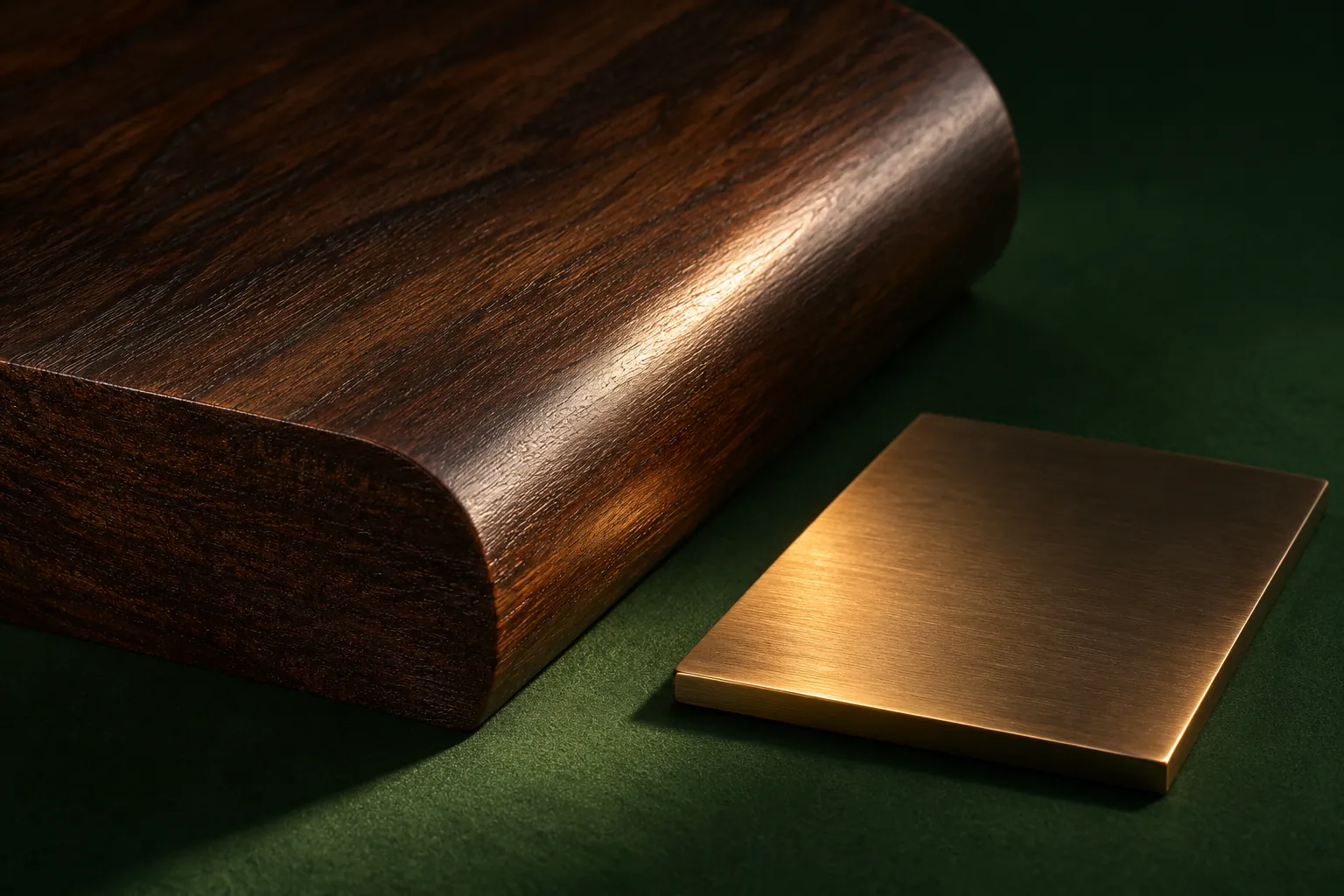
A furniture finish sample should establish the particular appearance and surface specification you are approving for a named part of the commission. Our recommendation is to treat it as a project reference, not simply a pleasant object on a presentation tray.
FCI India's materials library describes timber, upholstery, metal and surface-finish options. Its bespoke process says that physical samples for significant pieces may include a wood off-cut with the proposed finish or a fabric swatch on the actual foam density.
Ask which form of sample is appropriate for your piece. A table edge, curved cabinet front and upholstered seat raise different approval questions. One attractive flat square need not answer all of them.
Which details belong on the approval record?
The approval record should identify the sample, its intended use and the drawing it accompanies. Our suggested record includes:
- Project name and furniture item reference.
- Material and the component being represented.
- Proposed finish, colour reference and sheen description.
- Grain or pattern direction where relevant.
- Sample identifier and approval date.
- The associated drawing revision and any unresolved exceptions.
Add an edge or profile sample when that detail matters to the commission. Ask the maker whether the sample is representative of the proposed construction and finishing sequence.
Avoid a note that says only "walnut approved". Does it mean the species, the colour, the veneer direction or the complete finish? A short approval can create a remarkably long correspondence.
How should you review a sample at home?
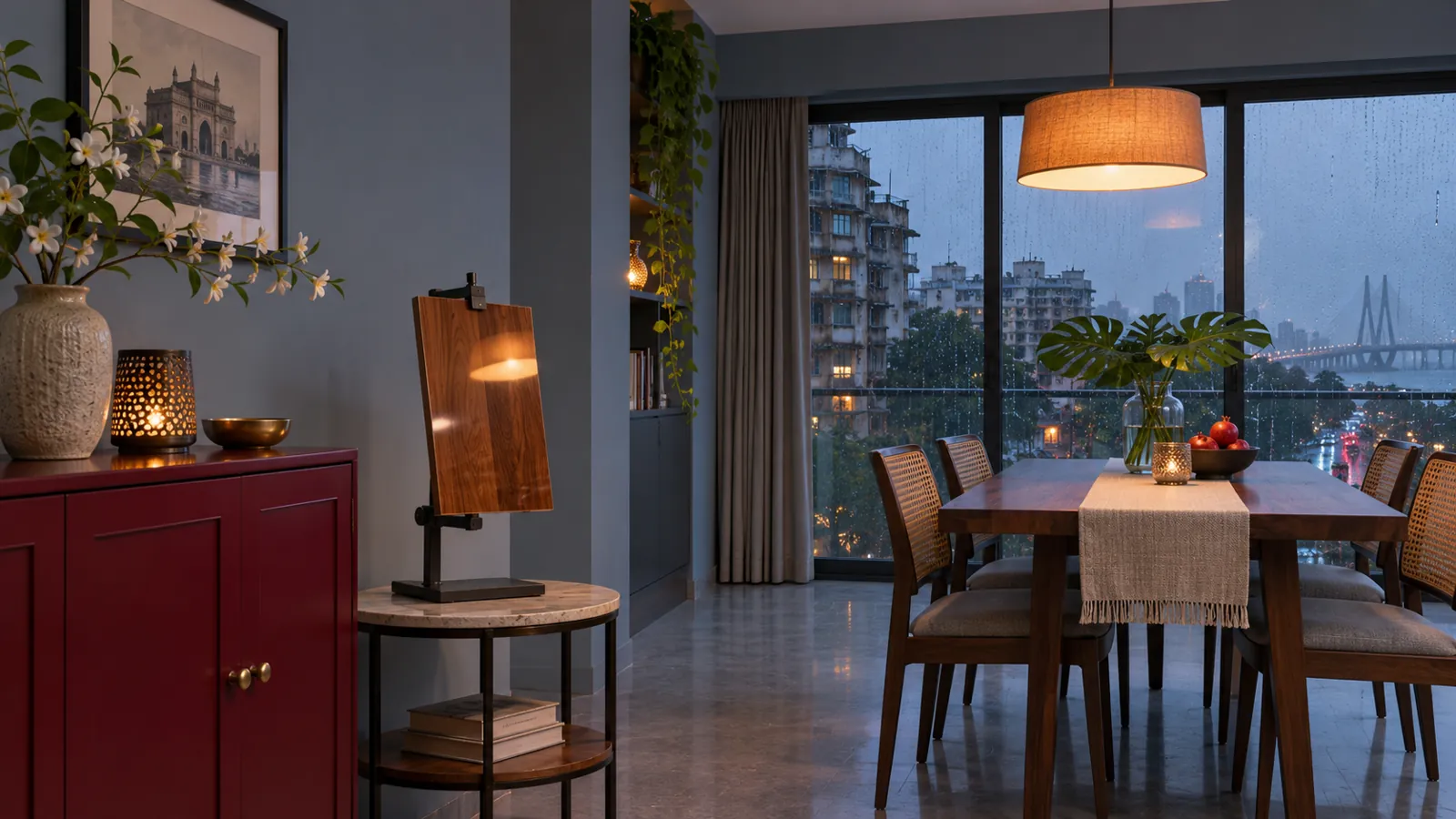
Review the sample where the furniture will be used, alongside the materials it must relate to. Our recommended sequence is to compare it beside the flooring, wall finish and neighbouring furniture under the room's normal daylight and evening lighting.
Look at a vertical sample vertically when it represents a cabinet front. Review a tabletop sample horizontally. Turn it to examine the intended edge as well as the face, and ask whether a larger or shaped sample is needed to resolve uncertainty.
For a Mumbai apartment with an existing stone floor or inherited timber furniture, our preference is to make the relationship deliberate rather than insist on an uncertain match. Decide whether the new piece should blend, contrast or quietly sit between the existing tones.
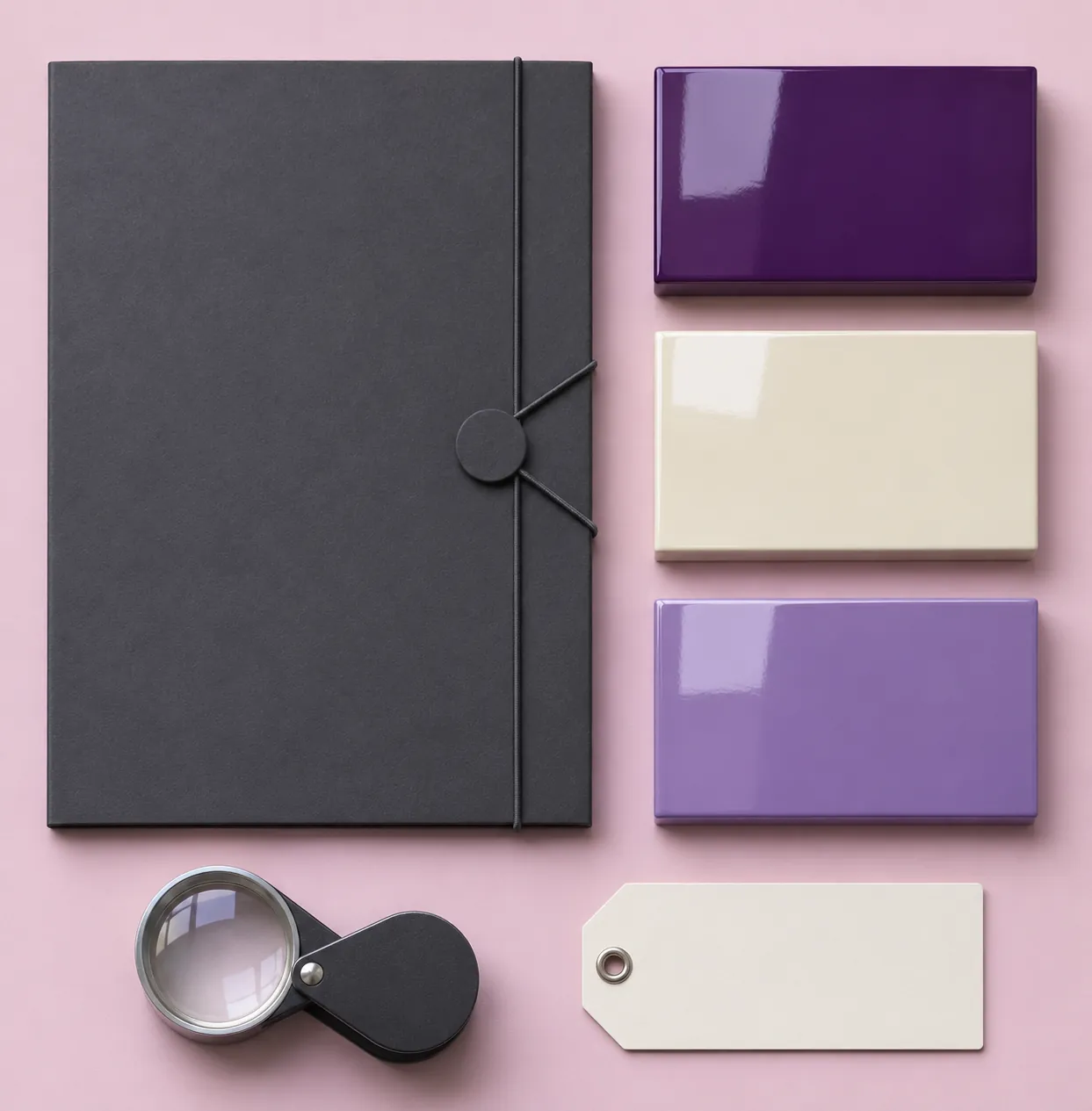
Photograph the arrangement for discussion, but keep the physical reference and written specification central to approval. Do not ask a message attachment to carry the entire decision by itself.
What does acceptable variation mean?
Acceptable variation means the differences the maker and client agree the finished piece may have relative to the reference sample. Ask for that agreement explicitly rather than assuming a small sample predicts every part of a large surface.
Our suggested questions are practical: what variation should we expect across this top, between cabinet doors or between separately ordered pieces? Can a larger material selection, paired samples or an agreed range make the decision clearer? Which characteristics are intentional, and which would need further review?
If you want a new piece to relate closely to an existing one, show the maker the existing furniture before a finish is selected. Ask what level of matching is feasible and how it will be assessed.
The useful outcome is a shared expectation. "Natural character" should not become a late substitute for an agreement nobody recorded.
How do you keep sample and drawing approvals aligned?
Keep the sample reference and current drawing revision together, and resolve any conflict before production approval. FCI India's process describes detailed drawings with dimensions, construction details, material specifications and hardware selections, followed by design sign-off.
Our recommendation is to use one decision sheet for each furniture item. Record the approved drawing, finish reference, upholstery where applicable and any outstanding decision. Ask which document takes precedence if a rendering and the technical specification appear to differ.
If you change the colour or sheen after an earlier approval, ask whether the sample and specification need reissuing. Agree any effect on the proposal before assuming the alteration is included.
This is particularly useful when an owner, architect and family member are reviewing the same Mumbai project from different locations. Nominate the person who gives the final client approval, while allowing everyone else to contribute before that point.
What should you ask about care before approving?
Ask for the care instructions that apply to the proposed finished surface before approving it. Request guidance on routine cleaning, spills, heat, objects placed on the surface and any maintenance or servicing requirements relevant to the piece.
These are questions for the maker, not performance claims established by this article. Do not infer resistance to water, scratches or cleaning chemicals from a finish name or a showroom photograph.
FCI India's process describes material care guidance and maintenance services. Confirm the arrangements for your own commission, including what advice is included and which later services would need a separate assessment or quotation.
How do you start a sample-led commission?
Start with the room context, the furniture's intended job and the materials it must relate to. Bring photographs, drawings where available, and existing samples that are relevant to the design.
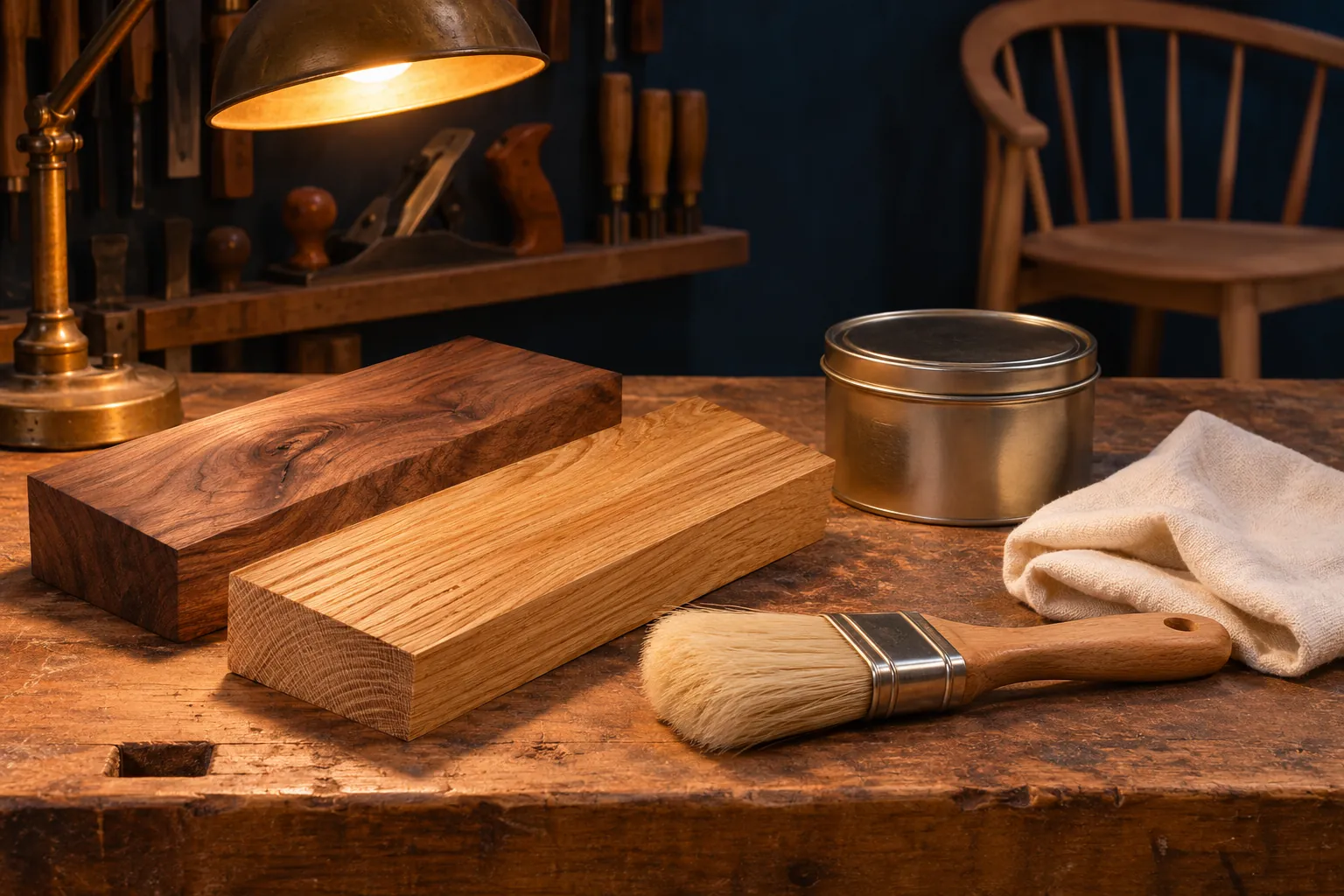
Use FCI India's material library to begin the conversation, then contact the Mumbai team to discuss the sample and approval requirements for your piece. Ask for a proportionate approval process, not the largest possible folder.
Limitations
This is an editorial approval framework, not a coating-performance standard or a guarantee of colour matching, moisture resistance or durability. Sample availability and the appropriate approval method depend on the commission. The maker must confirm construction, material variation, care requirements, costs and the agreed contractual documents.