TL;DR: An extendable dining table is worth considering when its closed size suits everyday meals and its fully opened, occupied layout still works in your Mumbai home.
Key takeaways
- Check the closed footprint, the space needed to operate the mechanism and the fully extended layout with chairs occupied.
- Extension systems differ: Calligaris documents separate side leaves on ICARO and moving legs with a rotating leaf on OMNIA: ICARO and OMNIA.
- Ask where removable leaves are stored and how they should be handled before ordering.
- Choose dining chairs alongside the table, including their relationship to the base and underside.
- A bespoke dining-table service does not automatically establish availability of a particular extension mechanism or imported model.
Is an extendable dining table actually space-saving?
An extendable dining table is space-saving only if you can use the smaller arrangement often enough to justify the mechanism. Compare it with your normal routine, not just your largest imagined dinner party.
For a Mumbai apartment where the dining area also forms the route between kitchen and living room, the closed footprint can be the most important one. But that advantage disappears if the table must be opened for every ordinary meal or if extra chairs have nowhere sensible to go.
Our recommendation is to write down everyday seating needs, occasional hosting needs and the space available for additional chairs. Then compare an extendable table with a fixed table using the same room plan.
Do not buy a mechanism merely because the word “transforming” sounds reassuring. The room is still the same size after the table has finished its performance.

Which measurements matter beyond the closed length?
You need to test the table in three states: closed, being opened and fully extended with people seated. This is our planning framework, not a universal clearance standard.
| State | What to check | Why it belongs in the brief |
|---|---|---|
| Closed | Table footprint, everyday chairs and nearby doors | This is the arrangement you may live with most often |
| Opening | Moving legs, tabletop travel, leaf movement and operating position | The transformation itself needs space |
| Fully occupied | Pulled-back chairs, base position, serving access and routes through the room | An empty extended top does not demonstrate a usable meal layout |
Mark the closed and extended outlines on the floor using removable tape. Add chairs, open nearby cupboard doors and walk the usual route through the space. Ask the supplier to demonstrate the operating movement on the actual mechanism.
There is no useful universal answer to “How much clearance?” without knowing the table, chair depth, room and users. Request a dimensioned proposal rather than fitting a room around a generic internet number.
Do all extension mechanisms work the same way?
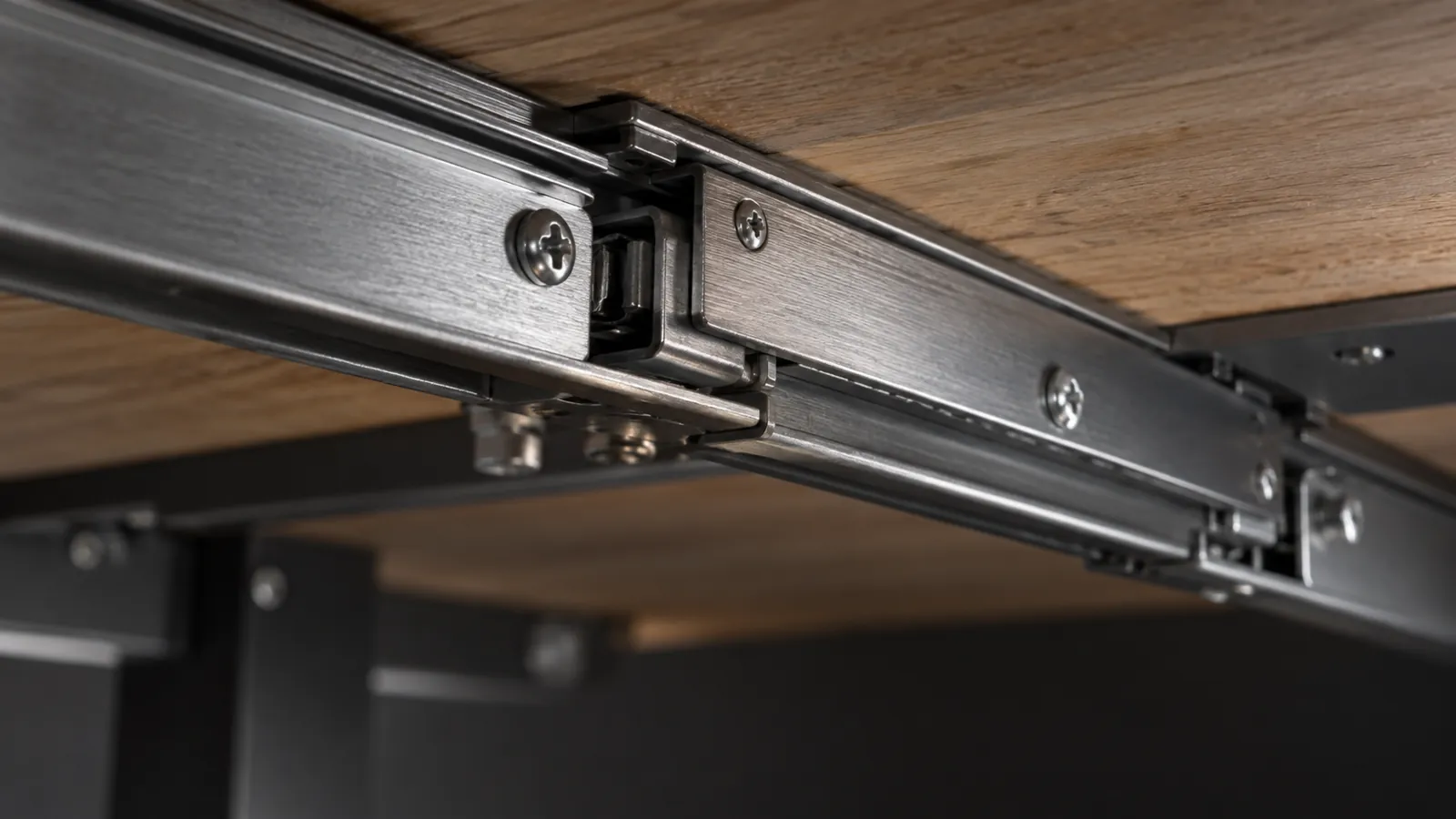
No: the parts that move, and the space they need, depend on the particular mechanism. Manufacturer descriptions provide useful examples of why an operating demonstration matters.
Calligaris describes ICARO CS4114-S 165 as having two side extension leaves, each measuring 40 cm, that can be opened separately. That is a specification for this model, not a standard for extendable tables generally.
Calligaris describes OMNIA CS4058-R 220 differently: pulling out the frame moves two legs on concealed castors, allowing the leaf on metal guides to lift and rotate into position. Here, checking tabletop length alone would miss the movement of the support structure.
Use these examples to ask which components travel, how the leaf is supported and how the mechanism is secured for use. They do not establish that either model is stocked by FCI India or available for your project.
What should you ask about leaf storage?
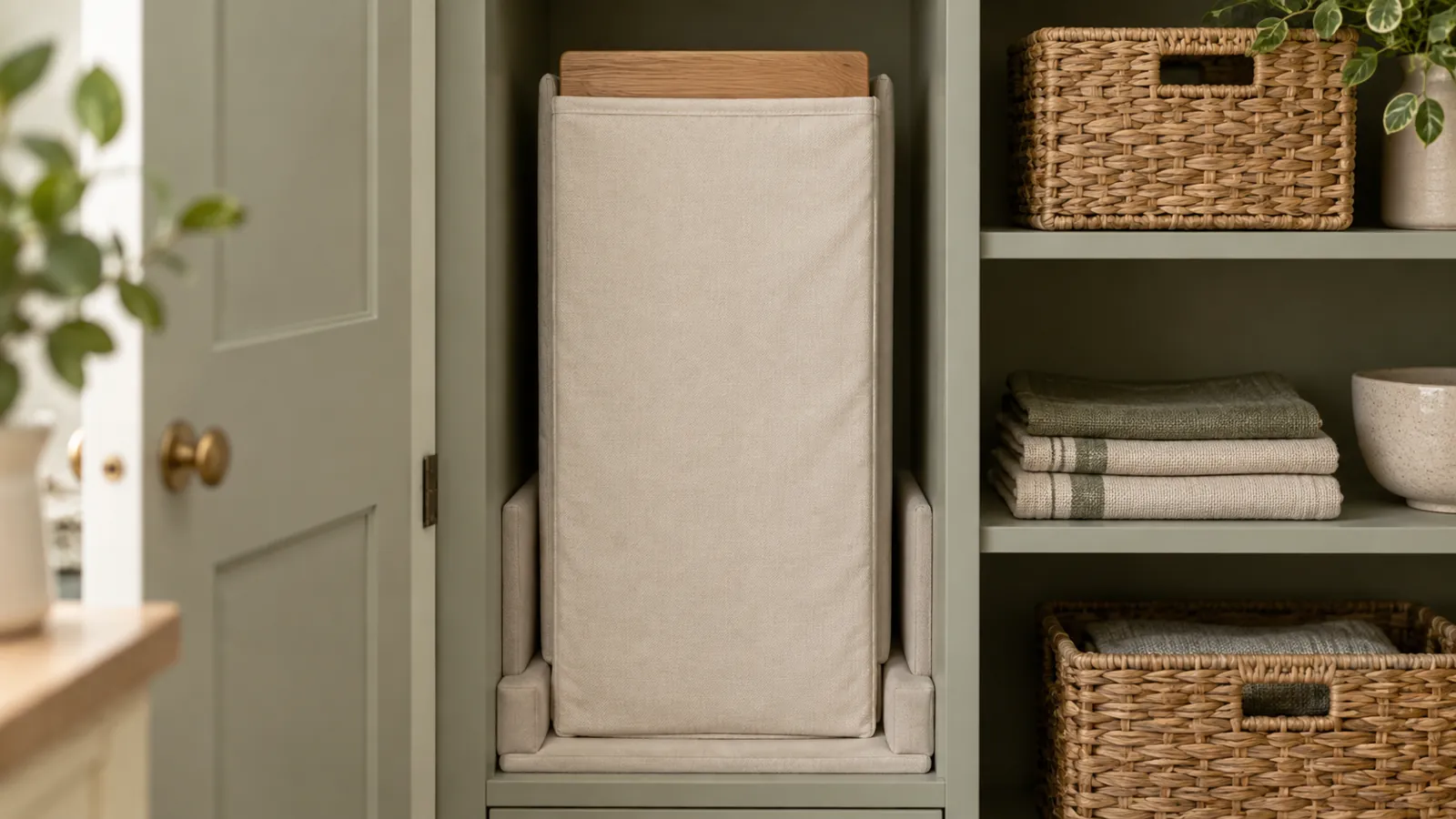
Ask whether the extension leaves stay within the table or need a separate storage location, then request the manufacturer's handling instructions. Do not assume that every leaf disappears neatly into the frame.
If a leaf is removable, include its actual dimensions and approved storage method in the room plan. Decide who will retrieve it and where it can be placed during setup without obstructing the route through the home.
If the leaf stores within the table, ask to see the opening and closing sequence. Confirm which parts should be held, whether more than one person is required and what must be clear before operation.
Our judgement: a mechanism should be assessed as a household task, not just a showroom trick. If normal setup feels inconvenient during a careful demonstration, do not assume it will become more appealing on a busy evening.
Will your dining chairs still fit when the table opens?
The chairs need to work with the table in both configurations, including any changed leg or base positions. Select them together rather than treating chairs as a finishing accessory.
Check the chair arms against the underside, the seat positions against the pedestal or legs, and the space used when a chair is pulled back. Where the mechanism moves the legs, repeat the seating check after opening it. OMNIA's documented moving-leg arrangement shows why this question is model-specific.
Use our Mumbai dining-chair guide for the separate comfort and specification discussion. An advertised seat count is not a demonstration that your chosen chairs and table base work comfortably together.
For occasional hosting, decide where additional chairs live between meals. A compact closed table is a limited victory if the rest of the room becomes a chair store.
Can you commission an extendable dining table in Mumbai?
You can ask a bespoke furniture maker to assess the brief, but you should not assume that every design or mechanism is feasible. Obtain a specific proposal before treating a general service description as a product commitment.
FCI India's current custom-furniture page lists dining tables and chairs among its residential work. It does not establish availability of a particular imported mechanism or the Calligaris examples discussed here.
For a bespoke proposal, request drawings showing the closed, operating and extended states. Ask who supplies the mechanism, what specification it has, how the top is supported, and what replacement or servicing arrangements are available.
Our recommendation is to approve the operating design before becoming attached to a particular finish. A beautiful surface cannot resolve a leaf that has nowhere to move.
What belongs in the final order specification?
The order should describe the complete working table and the acceptance checks, not only its finish and closed dimensions. Ask the supplier to document:
- Closed and extended dimensions, including the base.
- Mechanism type and any separately operated leaves.
- Leaf finish, storage method and handling instructions.
- Selected chairs and their agreed arrangement in each state.
- Manufacturer-specified care, operating restrictions and maintenance.
- Delivery access, assembly responsibilities and demonstration at handover.
- Written warranty terms and the route for obtaining support or replacement parts.
For Mumbai delivery planning, use the furniture access-survey checklist. A table that can be extended inside the room still needs a confirmed route into it.
Limitations
This article is a buying framework, not an engineering design, load assessment or verification of a particular mechanism's durability. Calligaris descriptions illustrate different systems; they are not evidence of FCI India's stock, pricing or supply relationship for those models.
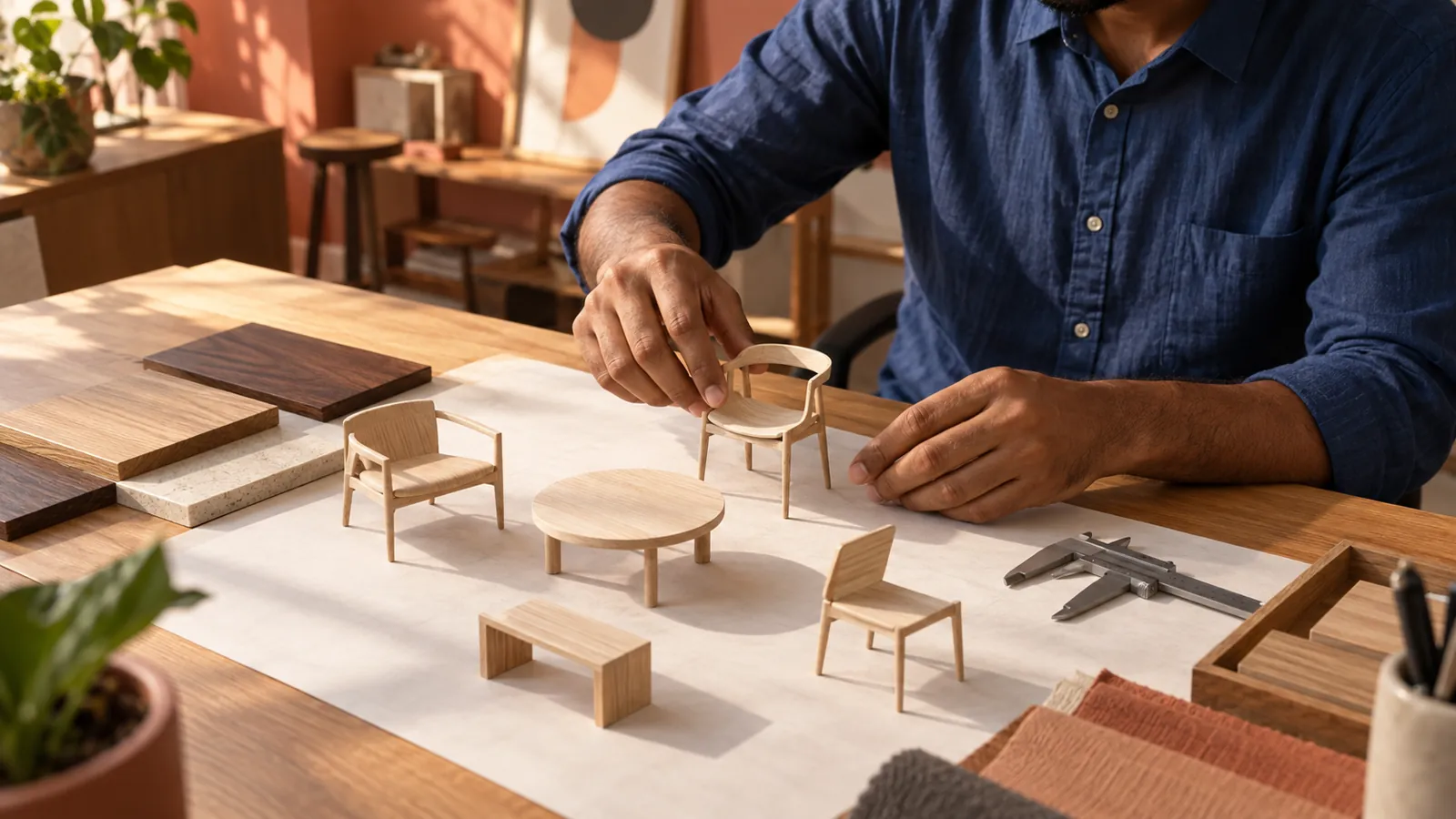
Operating requirements and clearances depend on the actual table, chairs, room and users. Generated images are illustrative concepts, not technical drawings, verified products or installation instructions.
What is the next step for your Mumbai home?
Request a layout comparison before choosing the mechanism. Contact FCI India with room dimensions, everyday seating needs, occasional hosting needs and the space available for spare chairs. Ask whether a fixed table or a specifically documented extendable design is the better fit.