TL;DR: Senior-friendly furniture makes sitting, standing, reaching and moving more predictable for the person using it, using supportive proportions and clear routes that stay luxurious rather than institutional.
Supportive and institutional are not the same thing. A chair can be easy to rise from and still wear the same walnut, stone and textile palette as the rest of your Mumbai home. The difference is in decisions most rooms never make deliberately: seat height, clear routes, secure rugs, reachable light. Here is how to get the support without the care-home look.
Key takeaways
- A supportive chair needs the right seat height, firmness, arm position and stability for its actual user.
- Clear routes and visible contrast often matter more than filling a room with specialist-looking products.
- Rounded details and secure rugs can reduce avoidable hazards without making a home feel institutional.
- Custom furniture can tune dimensions, handles and storage around a person and a Mumbai floor plan.
- Personal mobility or medical needs require assessment by an appropriate clinician or occupational therapist.
What makes furniture senior-friendly?
Senior-friendly furniture makes sitting, standing, reaching and moving more predictable for the person using it. It is stable under load, supports the body where needed and does not create hidden obstacles in common routes.
Age alone does not define the brief. One older adult may need a firmer, higher seat with substantial arms. Another may be comfortable on a lower lounge chair but need better lighting and fewer loose objects. Users should test furniture in their usual clothing and footwear.

The World Health Organization identifies falls as a major public-health issue and notes that older people have the highest risk of serious injury.
How should you choose a supportive chair?
Choose a chair by observing whether the user can sit back, place their feet securely and rise without the furniture shifting. Seat height is only one variable. Seat depth, cushion compression, back angle, arm height and the gap beneath the seat all influence movement.
A very soft cushion can make standing harder because the effective seat height drops under load. A seat that is too deep may force a shorter user to perch or lose back support. Arms can provide a push point, but only when the chair is designed to resist that force.
Comfort trials should include getting up several times. If balance, pain or weakness is involved, seek individual advice from an occupational therapist or other suitable professional.
Can senior-friendly furniture still look luxurious?
Yes, because supportive proportions and refined visual design are separate decisions. A stable high-backed chair can use the same walnut, metal, stone and textile palette as the room. Rounded corners can be sculptural. A grip-friendly handle can be beautifully made.
Avoid announcing every adaptation. Repeat the home's existing finish on a higher side table. Integrate a handhold into joinery only when it is engineered for that purpose. Use tailored upholstery to conceal firmer support. Our luxury sofa selection guide covers how firmer support zones can sit inside a preferred aesthetic.
Bespoke work is valuable when it solves a measured problem. FCI India's custom furniture service can begin from a room and user brief rather than a generic age category.
How should a Mumbai living room be arranged?
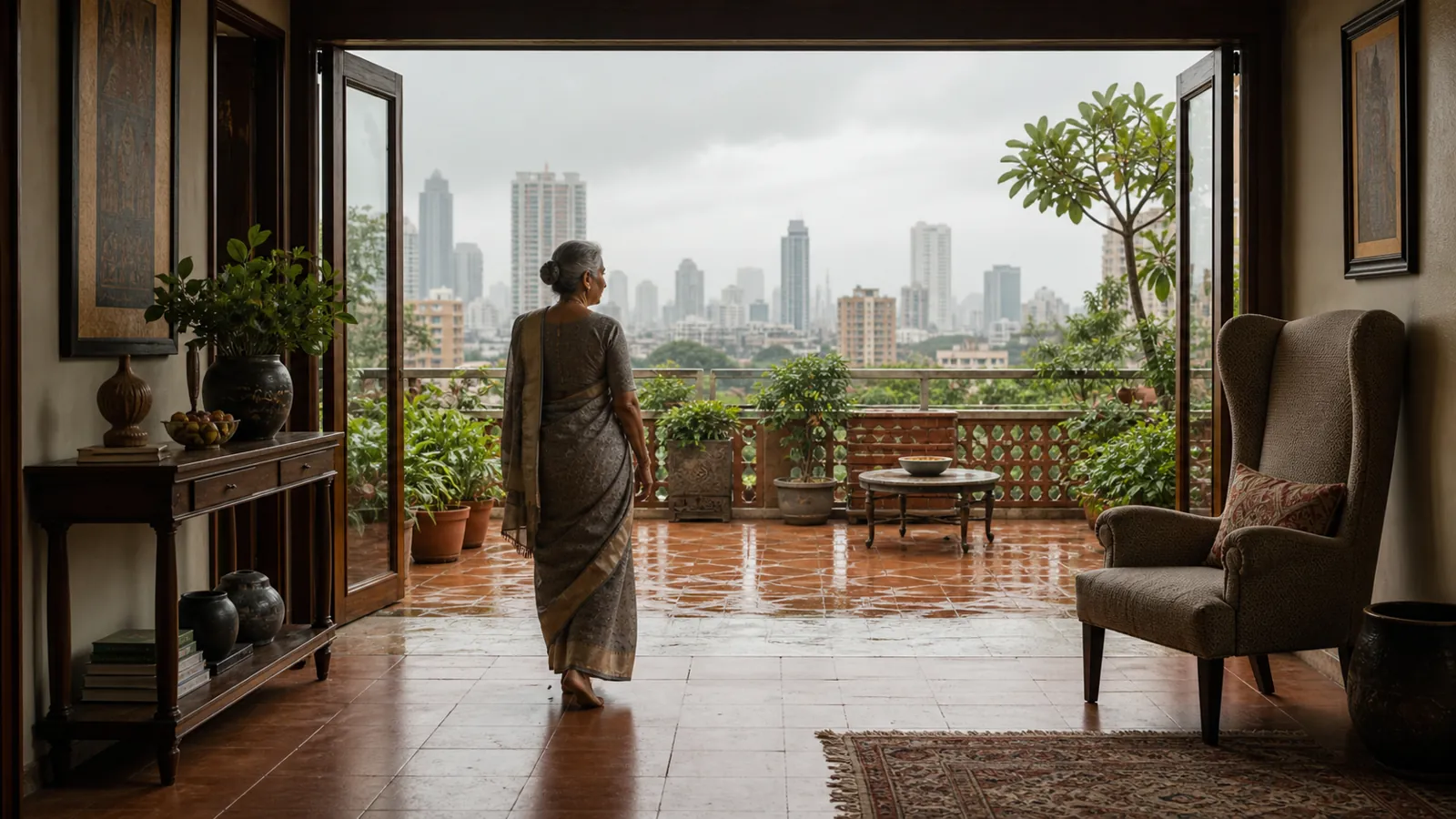
Arrange the room around uninterrupted routes between the entrance, preferred seat, washroom and bedroom. Remove furniture from pinch points before buying additional storage. Check door swings, balcony tracks, raised thresholds, floor sockets and rug edges.
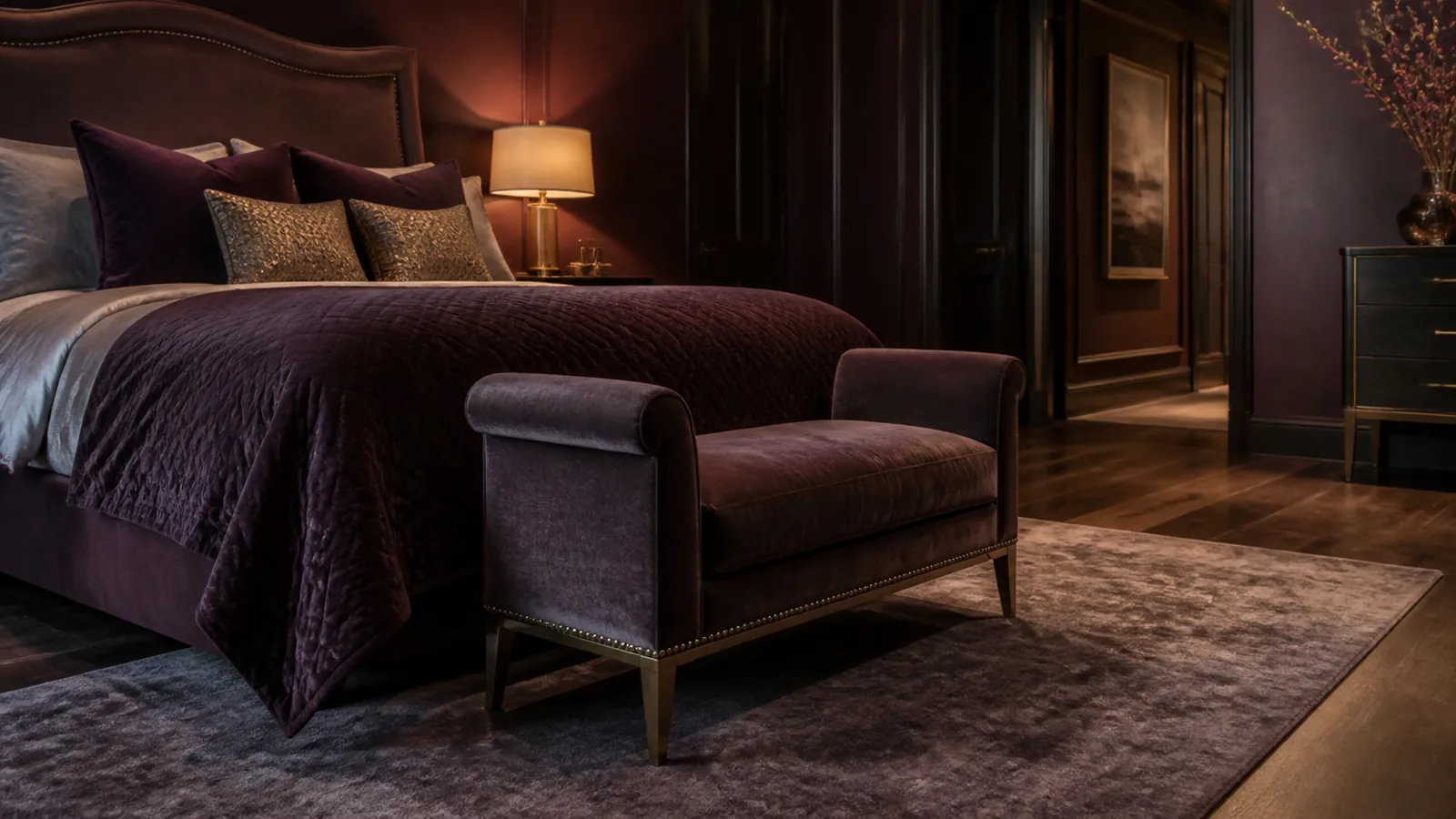
Mumbai apartments often need one space to support family conversation, television, guests and circulation. A compact stable side table may be more useful than a large central coffee table. Nesting pieces can add flexibility, but only if they remain stable and do not become obstacles when separated.
The Government of India's Harmonised Guidelines address accessible built environments and circulation. They reinforce the principle that routes, reach and user needs should be designed deliberately rather than left over after styling.
What makes a bedroom easier to use?
A usable bedroom provides a clear approach to the bed, reachable lighting and storage that does not demand unsafe bending or climbing. Test the bed's final height with the mattress fitted. A thick mattress can transform an appropriate frame into a difficult transfer height.
Place frequently used clothing within comfortable reach. Avoid making a stool the only way to access daily storage. Choose bedside tables that can be reached without twisting and drawers that do not project into the walking route when open.
A bench can help with dressing if it is stable and appropriately placed. An unsupported ottoman on a smooth floor is not a safe substitute. Fix wardrobes and tall furniture according to the manufacturer's installation requirements and the wall construction.
Which small furniture details matter?
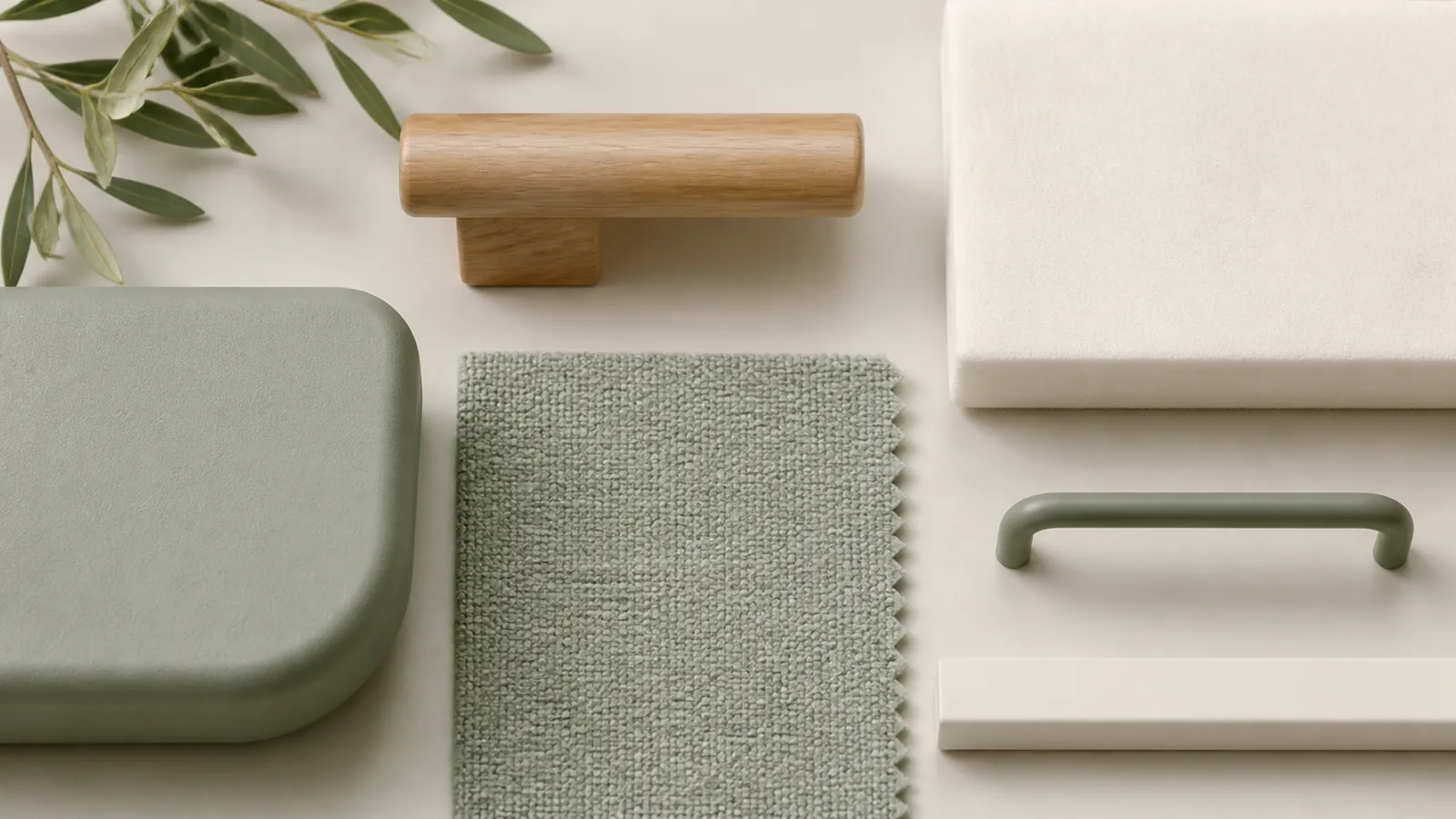
Edges, handles, controls, rugs and contrast determine whether furniture remains easy to use after the main layout is solved. Consider these details:
- rounded or softened corners on exposed routes;
- handles that allow a comfortable grip rather than a fingertip pinch;
- drawers that open without excessive force;
- switches and lamps reachable from the preferred seat;
- cables routed away from the floor path;
- rugs secured to prevent curling or movement;
- matte finishes where glare makes edges difficult to see.
Do not add a grab rail or load-bearing support as a decorative afterthought. Anything intended to carry body weight needs appropriate design, fixing and verification.
Is custom furniture worth considering?
Custom furniture is worth considering when standard products repeatedly miss a critical dimension, route or reach requirement. A made-to-measure dining chair can align seat and arm height with its user. Joinery can position frequently used items at suitable heights. A sofa can combine a preferred aesthetic with a firmer seat zone.
The advantage is controlled coordination between user, product and site. Ask for dimensioned drawings, finish samples, hardware specifications and installation details. If the item is intended to support a transfer, say so explicitly. Never assume ordinary cabinetry is load-bearing.
How do you brief a designer for multiple generations?
Brief the designer around people and tasks, not labels such as elderly or accessible. Record who uses each room, how they sit and rise, what they reach daily, where they walk at night and which existing pieces they want to keep.
Use this order:
- Identify personal movement and support needs.
- Map clear routes through the finished room.
- Test seat and bed dimensions with the intended users.
- Specify stable construction, handles, edges and lighting interfaces.
- Review drawings and samples before manufacture.
Include future flexibility without pretending one design can predict every later need. Removable cushions, adjustable shelves and movable chairs may provide options, but they are not substitutes for reassessment when a person's abilities change. You can see how we structure this in our design process.
What are the limitations of this guide?
This article is design guidance, not medical, occupational-therapy or structural advice. It cannot assess an individual's falls risk, mobility, cognition, vision or transfer technique. Generic dimensions are not a safe replacement for observation and professional assessment.
Building conditions, furniture construction and household needs vary. Current product drawings and verified site measurements should control every order.
Plan it with FCI India
Planning for an older parent, or future-proofing your own home? FCI India's custom furniture service can begin from a room and user brief rather than a generic age category. Book a consultation or visit the Mumbai showroom to test proportions, seat heights and finishes in person.
Sources
- World Health Organization, Falls
- Ministry of Housing and Urban Affairs, Harmonised Guidelines and Standards for Universal Accessibility in India 2021
- FCI India, Custom Furniture Mumbai
- FCI India, Our Process
- FCI India, Luxury Sofa Selection Guide