TL;DR: Choose dining chairs in Mumbai as a pair with the table, checking the arms, underside, legs and pull-out space before approving the design.
Key takeaways
- Tabletop height alone does not establish whether a chair's arms fit underneath.
- Check the lowest underside obstruction and the chair's highest relevant arm position.
- Chair width and table-leg position both affect a seating arrangement.
- Approve upholstery and dimensions together rather than treating fabric as the whole specification.
Which measurements decide whether dining chairs fit?
Dining-chair fit depends on the relationship between the chair, table and surrounding room, not one standard height.
Record the chair's overall width and depth, seat height and arm profile. For the table, record the top height, underside details and leg positions. Ask the designer to show these together in the approval drawing.
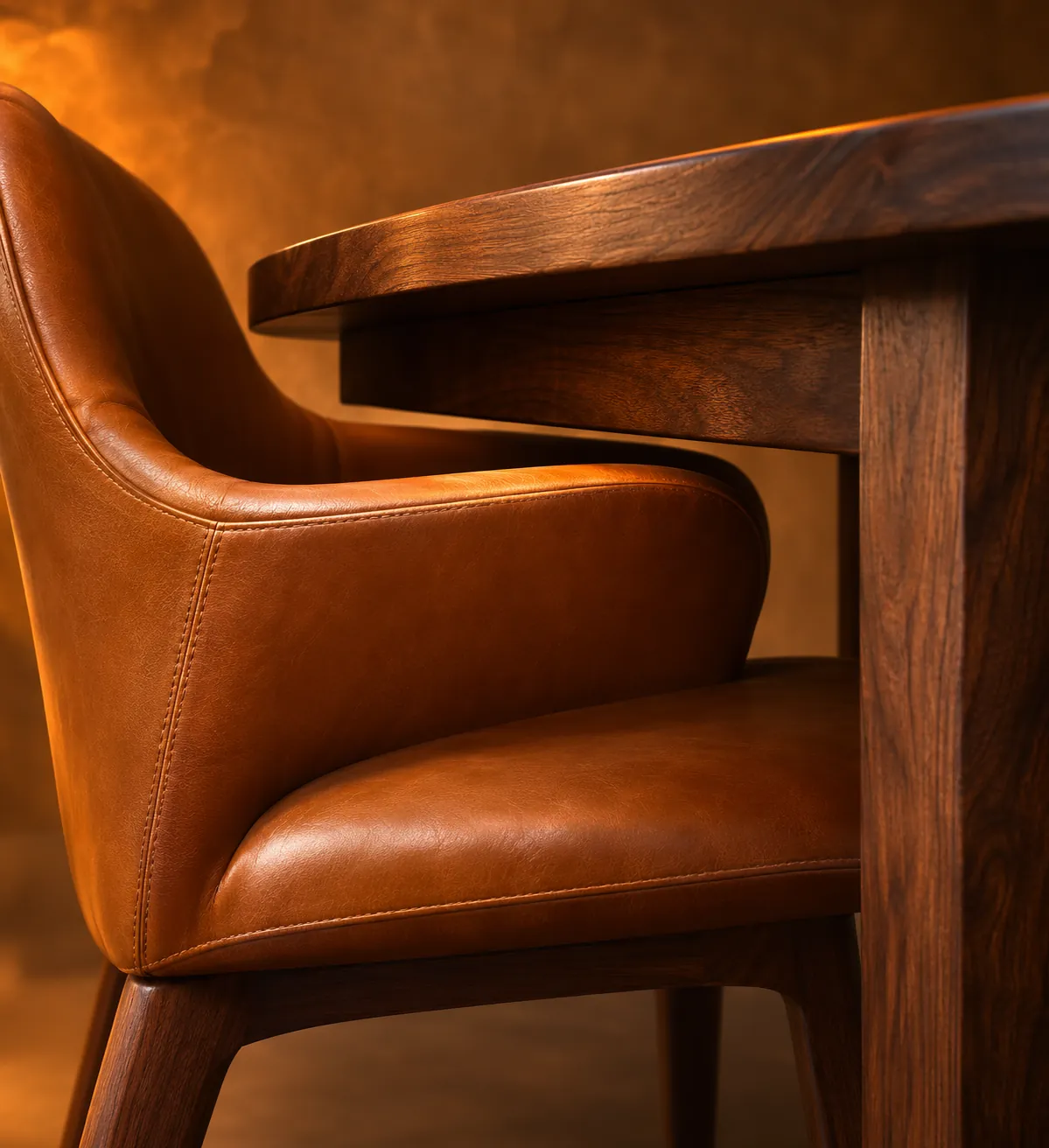
A table apron is the structural section beneath the tabletop edge. Where one is present, measure to its underside rather than assuming that the open space beneath the top continues all the way around.
For a Mumbai apartment dining area beside a living room or circulation route, our recommendation is to approve the chair positions on the room plan as well. A chair that fits below the table may still be awkward to pull out in the intended location.
Will armchairs tuck under the table?
Armchairs tuck under only as far as their arms and backs can pass the table's underside and supports.
Ask the designer to check the complete arm profile, not just its height at the front. A curved or rising arm may meet the apron before the chair reaches your intended resting position. Also check whether the chair's front legs or frame encounter the table base.
Make the intended result explicit: do you want the seat partly tucked away, the arms fully beneath the table, or simply a comfortable position while dining? These are different approval targets.
“Dining chair” is a category, not a compatibility certificate.
How should you check width and everyday access?
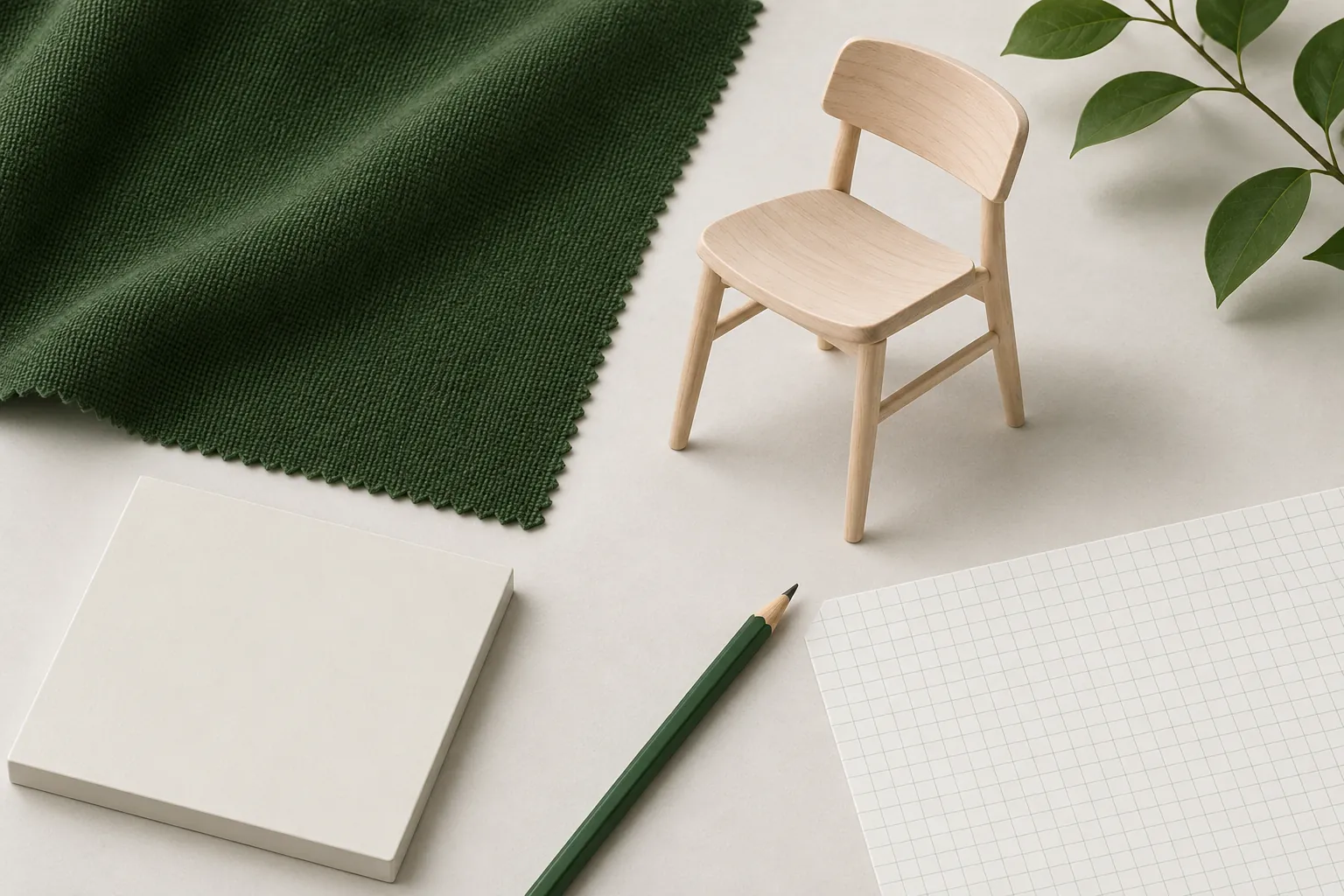
Check the proposed seats between the actual table supports, then test how people will enter and leave them.
Request a plan showing each chair in its dining position and pulled back. Check end seats separately from side seats, especially where a pedestal or angled table leg occupies floor space. Do not infer usable seating width from the length of the tabletop alone.
If you are choosing a moving or extending table, repeat the check in each intended configuration. Our extendable dining-table guide explains why the closed and open arrangements need separate decisions.
Our preference is a physical trial with the actual pairing where practical. If that is unavailable, ask for the unresolved fit questions to be identified before approval rather than silently assumed away.
What should you approve about upholstery?
Approve the upholstery on the proposed chair construction as well as choosing its colour.
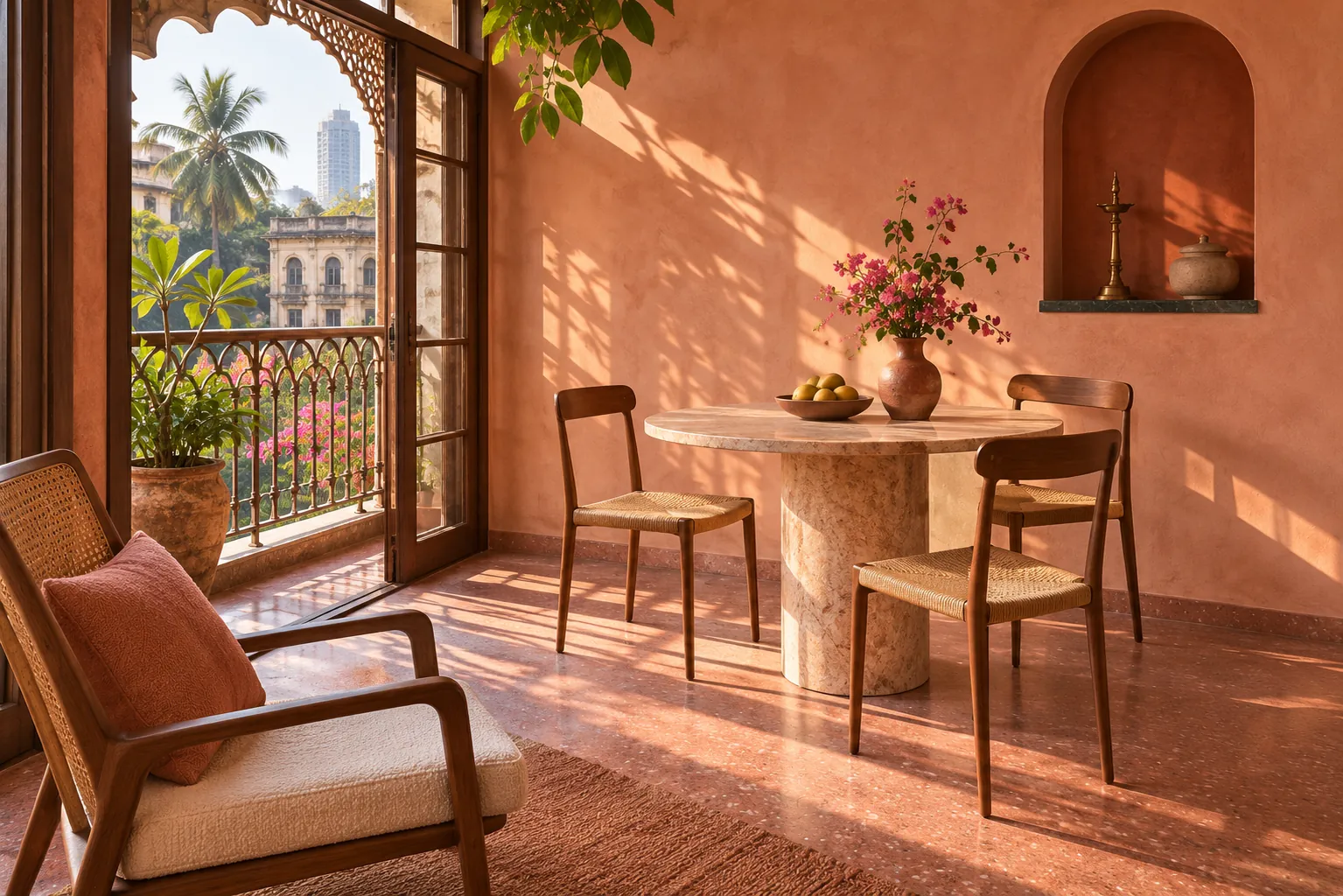
FCI India's bespoke process describes material selection, physical sampling for significant pieces and detailed drawings before design approval. It specifically describes preparing a fabric swatch on the actual foam density. That makes the sample stage a useful point to discuss the intended seat, not merely its finish.
Ask which areas the sample represents, what cleaning instructions apply to the selected fabric, and whether the final chair has removable or fixed upholstery. Do not treat an attractive swatch as evidence of washability or stain resistance.
Use the materials and finishes library to prepare your shortlist, then record the exact material selection in the order. If the dining chairs will be used near a balcony opening or in a strongly sunlit position, tell the supplier rather than assuming every fabric suits that placement.
What should a bespoke dining-chair brief include?
A useful brief includes the existing or proposed table, the seating arrangement and the chair specification in one place.
Send the table drawings or measurements, room photographs, the number of intended seats, and your preference for arms or no arms. Include a photograph of the floor and the route behind the chairs. Ask for the proposed dimensions and upholstery references to appear together on the approval documents.
FCI India's custom furniture service includes dining tables and chairs. Request a proposal for the pairing rather than asking two separate suppliers to assume the other half will fit.
Limitations
This is a planning brief, not a universal ergonomic standard or a guarantee of individual comfort. Fit depends on the actual chair and table geometry, room layout and user. Confirm the agreed dimensions, materials and scope for your own order; no lead time, price or stock availability is implied.