TL;DR: A custom desk works best when its dimensions, power, storage and installation are designed around your actual work rather than an attractive empty surface.
Key takeaways
- List every device and task before deciding the desk size.
- Plan chair movement, legroom and nearby doors as part of the footprint.
- Put power, cable routes and ventilation into the approved drawing.
- Specify materials, edges, hardware and storage interiors, not just the colour.
- Check the lift, corridor and assembly sequence before production.
What should a custom desk brief include?
A custom desk brief should define the user, daily tasks, equipment, paper storage, call setup, room dimensions and installation constraints. It should describe a working day, not simply request something modern.
Start with the equipment that must remain on the surface. Add occasional items, charging needs, documents and any samples or books used regularly. Then decide what should be visible, immediately reachable or stored away.
FCI India says its custom furniture Mumbai service includes study and office desks, storage and ergonomic setups. That scope makes the initial brief the right place to connect the desk with the rest of the room.
How large should the desk be?
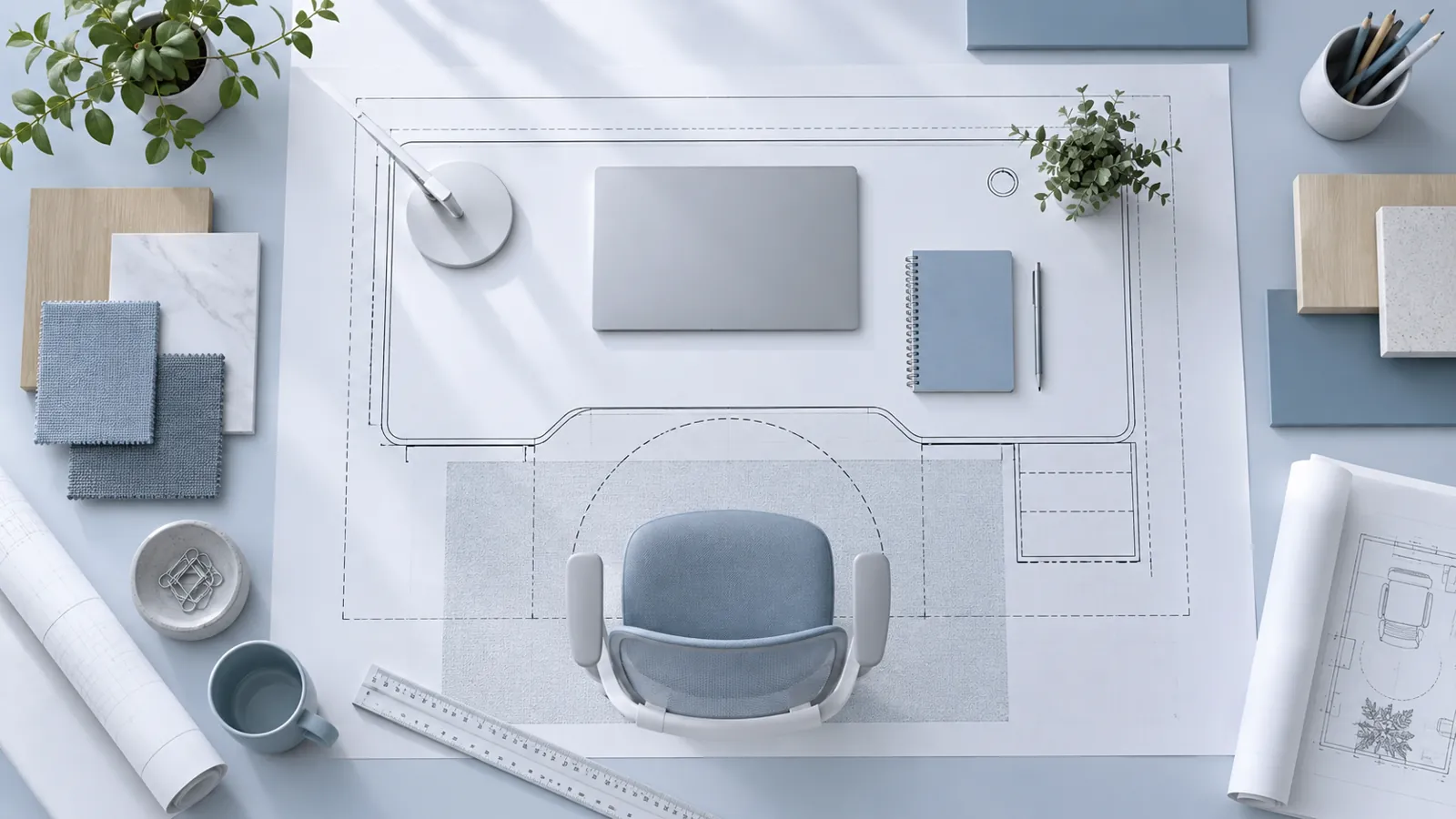
The desk should be large enough for the work and small enough to preserve comfortable movement. Room size alone does not decide the answer.
Place templates for the monitor, laptop, notebook, lamp and other regular equipment on a proposed top. Include the base or stand of each item rather than measuring only the screen. Test whether the user can reach what matters without twisting or stacking one task on another.
Mark the chair in its working and pushed-back positions. Open nearby drawers, wardrobe doors and room doors. An impressive desk that requires a small obstacle course to leave it is not an efficiency gain.
How should cables and power be planned?
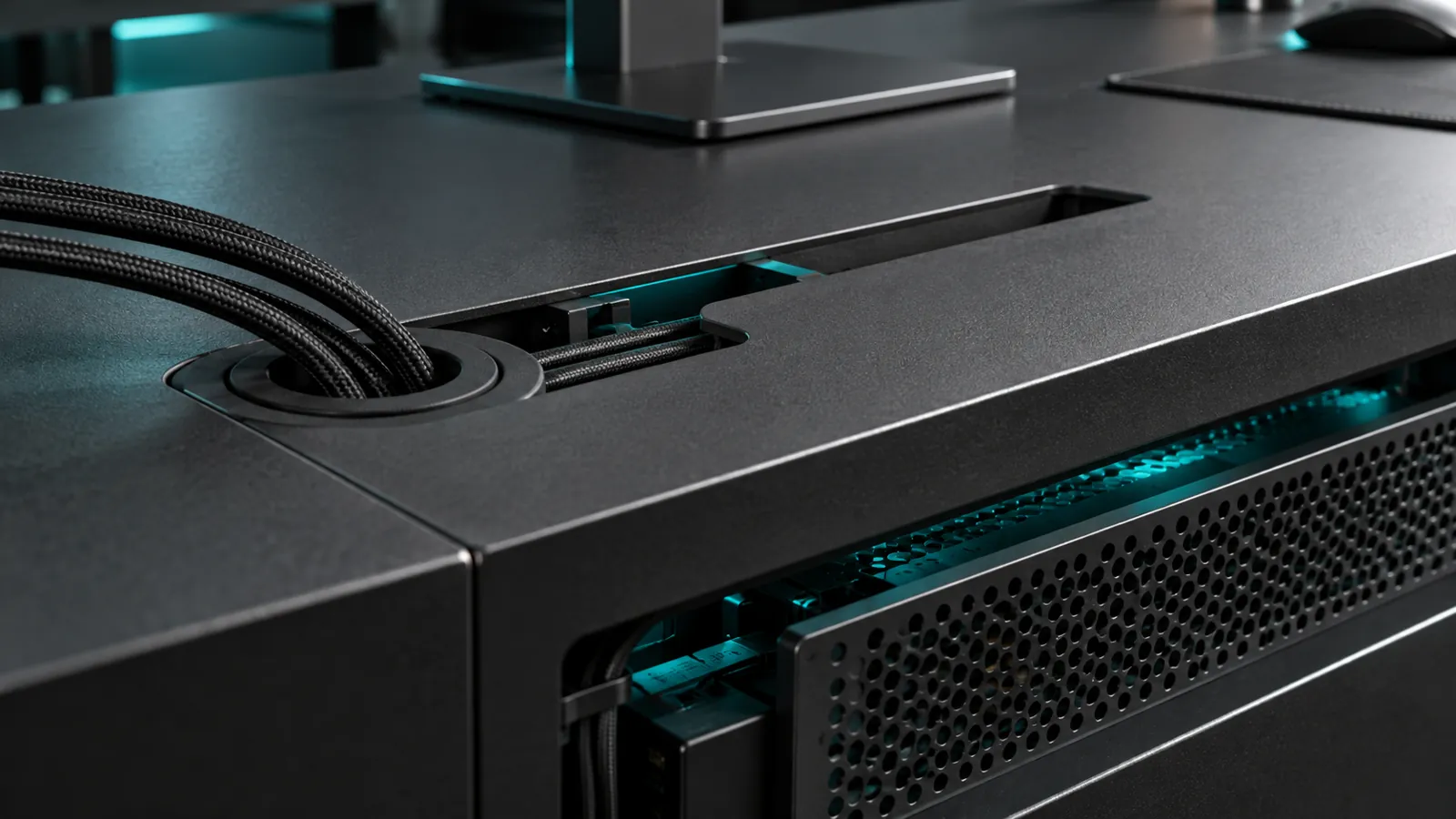
Cables and power should follow a documented route from the wall outlet to each device. Decide where plugs, adapters, chargers and excess cable length will live before approving the joinery.
A useful drawing shows outlet positions, grommets, cable trays, removable access panels and the route into any storage unit. Power strips need access for maintenance rather than a permanent burial ceremony.
If a desktop computer, router or other equipment sits inside cabinetry, confirm the required airflow and service access with the equipment supplier. Do not assume a closed cupboard is suitable because it hides the blinking lights beautifully.
What storage belongs in the desk?
Desk storage should hold items used at the desk, while broader office storage can sit elsewhere. Drawers are useful for small items and documents, but too many below the top can reduce legroom.
List the objects going into each compartment and measure the largest one. Specify internal dimensions, opening direction and hardware. A shallow drawer for stationery solves a different problem from filing, printer paper or technology storage.
For small rooms, coordinated wall storage may work better than making the desk base carry every possession. FCI India's bespoke storage Mumbai guide offers related planning context for compact homes.
Which materials and details need approval?
Approve the substrate, visible surface, edge construction, finish, hardware and samples. A colour swatch alone does not define how the desk will feel, wear or meet other furniture.
Consider the front edge where arms may rest, the durability of high-contact areas and how the surface should be cleaned. Ask how the selected finish responds to spills and direct daylight, and follow the maker's written care guidance.
FCI India's bespoke process says material selection and physical sampling precede detailed drawings and approval. Use those stages to settle practical differences before the design is frozen.

Should the desk be freestanding or built in?
Choose a freestanding desk when future movement and access around the piece matter. Choose a built-in solution when the wall, storage and services need to work as one composition.
A built-in desk can use a difficult wall efficiently, but it must account for skirting, sockets, uneven surfaces and future maintenance. A freestanding desk can be moved, but its rear cable view and floor route need equal attention.
Neither type is automatically better. The right choice follows the room, the likely length of use and whether the layout may change.
What must happen before production?
Before production, approve dimensioned drawings, materials, hardware, cable provisions, finish samples and installation scope. Record any walls, sockets or equipment supplied by others.
FCI India's custom furniture brief guide explains why drawings should be treated as the shared specification rather than decorative paperwork. Check them against the latest site measurement and equipment list.
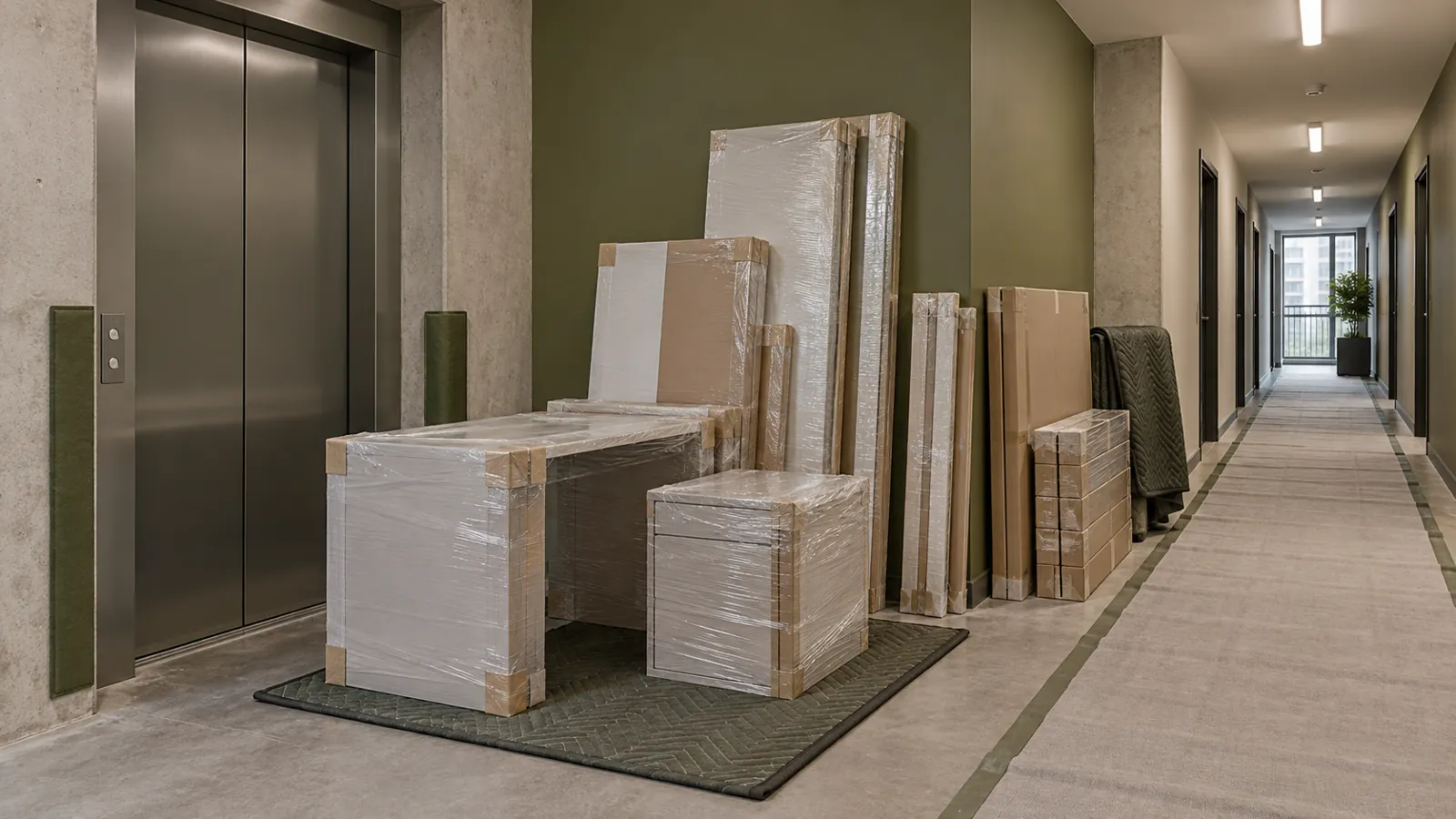
Also confirm packed or module sizes, lift access, turning points and the sequence of assembly. A design belongs in the room only after it can reach the room.
Limitations
This guide is a planning framework, not an ergonomic assessment, electrical design or model-specific quotation. Appropriate dimensions depend on the user, equipment, chair and site. Electrical work and wall fixing should be assessed and completed by suitably qualified people.
What is the next sensible step?
Create an equipment schedule and a measured room plan, then photograph the walls, sockets and delivery route. Contact FCI India to turn that evidence into drawings, samples and an installation proposal.
Sources
- Custom Furniture Mumbai, FCI India. Current bespoke furniture and study scope.
- Our 6-Step Bespoke Process, FCI India. Current design, approval, manufacturing and installation process.
- Custom Furniture Mumbai: Freeze the Brief, FCI India. Published internal commissioning guide.
- Bespoke Storage Mumbai: Make Space Work, FCI India. Published internal storage guide.
- Contact FCI India, FCI India. Current consultation route.