TL;DR: Bespoke storage is most valuable in Mumbai homes when it solves a specific space or use problem that standard furniture leaves unresolved.
Key takeaways
- Start with the room problem, then define the storage requirement.
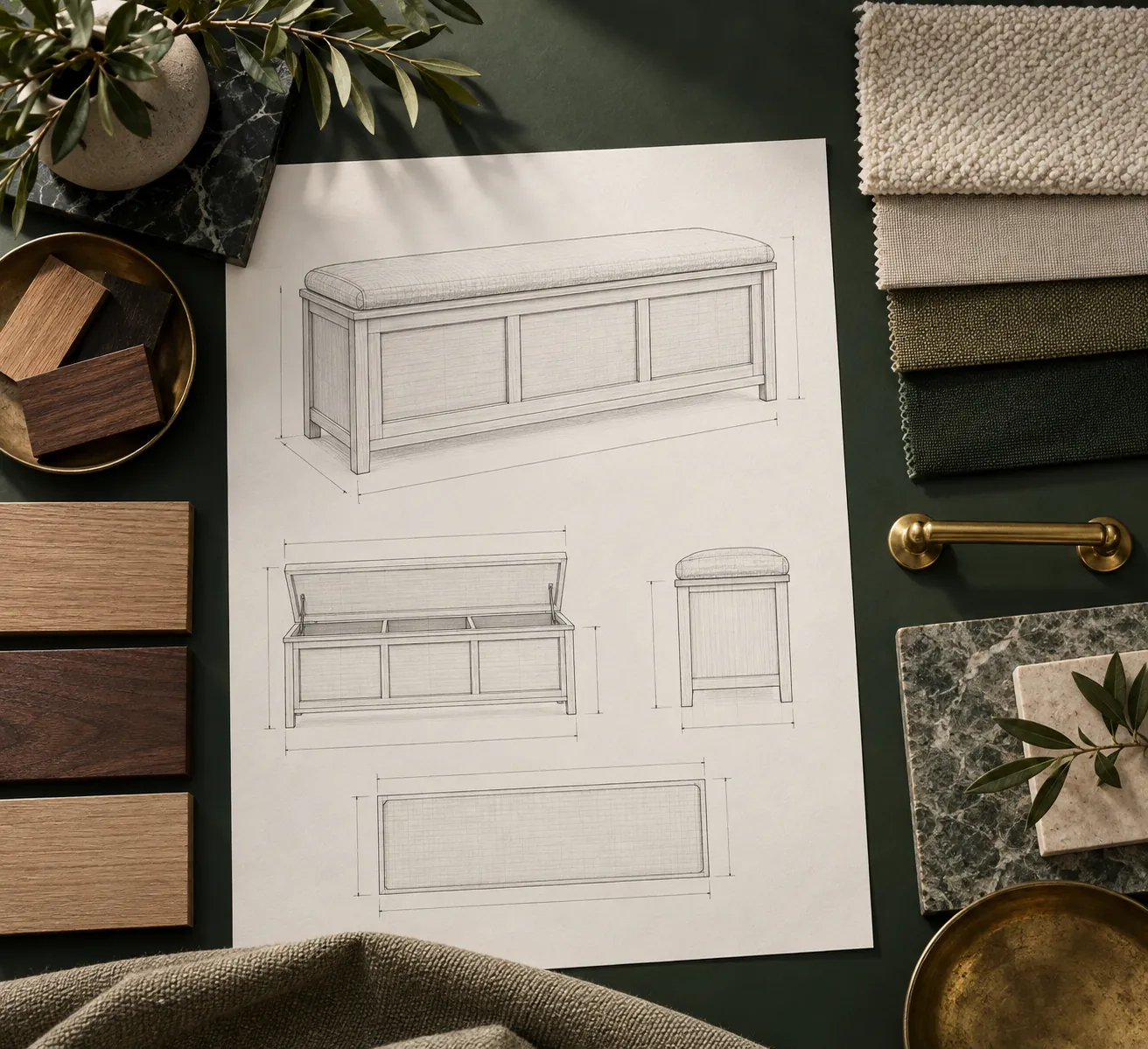
- Use detailed drawings to confirm dimensions, materials and hardware before approval.
- Physical samples help assess finish and fabric in the intended room.
- Check site conditions and delivery access before manufacturing begins.
When is bespoke storage worth considering?
Bespoke storage is worth considering when standard furniture wastes an awkward recess, fails to meet a clear storage need or cannot work with the room's architecture. It is not automatically the superior option, but it can solve a precise problem very well.
A window seat, media cabinet, bookcase or fitted wardrobe should earn its footprint through use. Decorative storage with no plan for the actual objects is just a very tidy future argument.
What should the brief say?
A useful brief states what must be stored, where the piece will sit, the available dimensions, the desired finish and any access requirements. Include photographs, room measurements and information about sockets, skirtings, windows and services.
FCI India's bespoke process says its consultation covers space, lifestyle, aesthetic preferences and budget before material sampling and detailed drawings. That order is sensible because a material choice cannot repair an unclear requirement.
Why do drawings matter before production?
Detailed drawings let the client and maker confirm dimensions, construction, material specifications and hardware selections before production begins. FCI India says revisions belong at this approval stage, before the design is frozen for manufacturing.

Review the drawing against the room, not only on a screen. Check open doors, drawer travel, visible edges and relationships with nearby furniture.
How should materials be selected?
Materials should be selected with the intended location, use and maintenance in mind. FCI India says it uses physical samples for significant pieces, including a wood off-cut with the proposed finish or a fabric swatch on the actual foam density.
View samples in the room where possible. Light, surrounding colours and daily wear all have a vote, even if none of them attends the meeting.
What happens after approval?
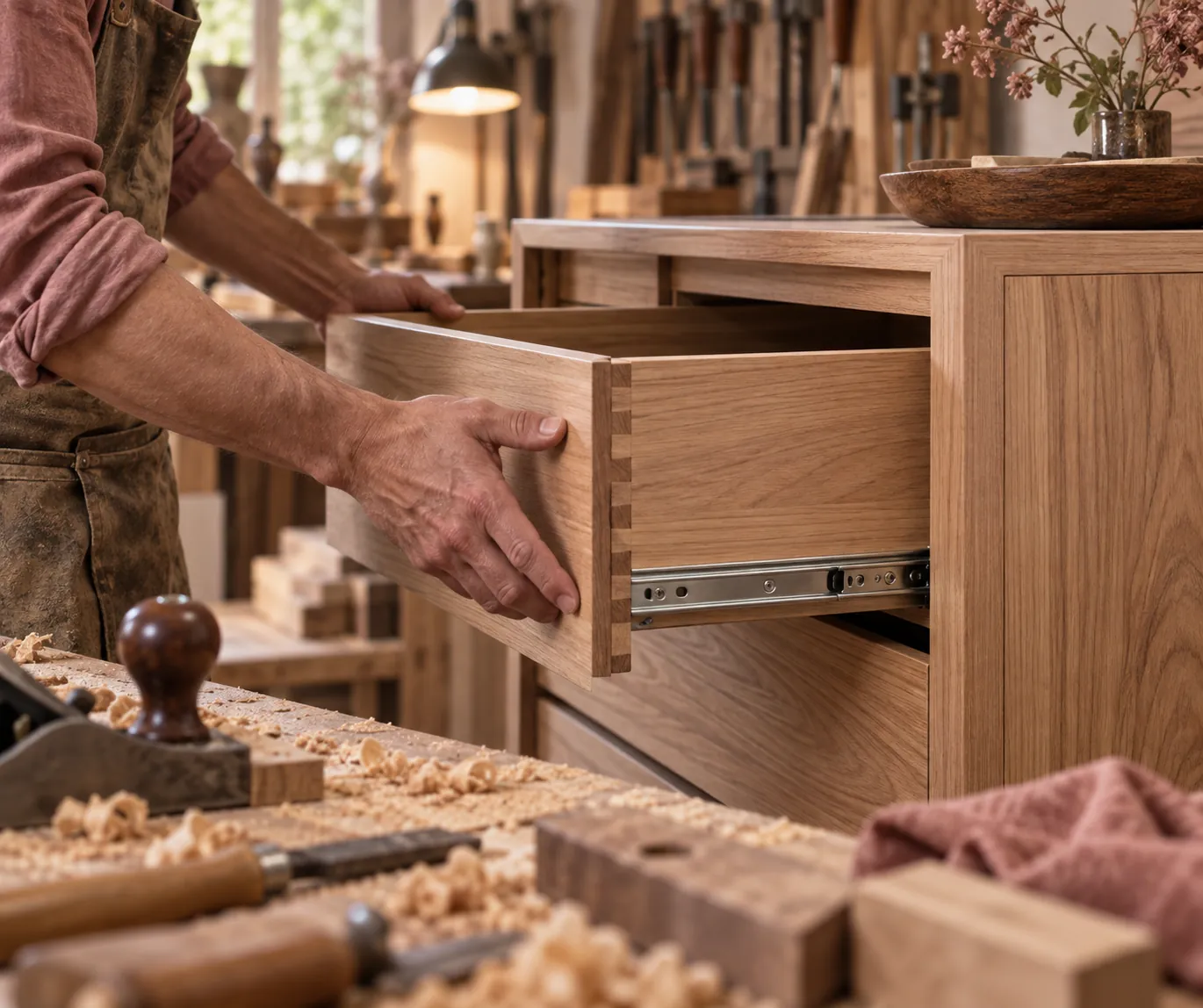
After design approval, FCI India says manufacturing includes quality control, followed by final inspection against approved drawings and delivery or installation. It also offers a pre-delivery inspection invitation for each piece.
Use that handover to check the agreed details rather than relying on memory. Approved documentation is much kinder than recollection.
Limitations
This is general commissioning guidance. Programme, price, materials and suitability depend on the confirmed design, site survey and final specification.
Ready to turn an awkward space into useful storage?
Bring dimensions, photographs and a practical storage list to an FCI India consultation. The strongest starting point is a clear problem to solve.

Sources
- Our 6-Step Bespoke Process, FCI India. Consultation, sampling, drawings, manufacturing, inspection and installation process.